Donate


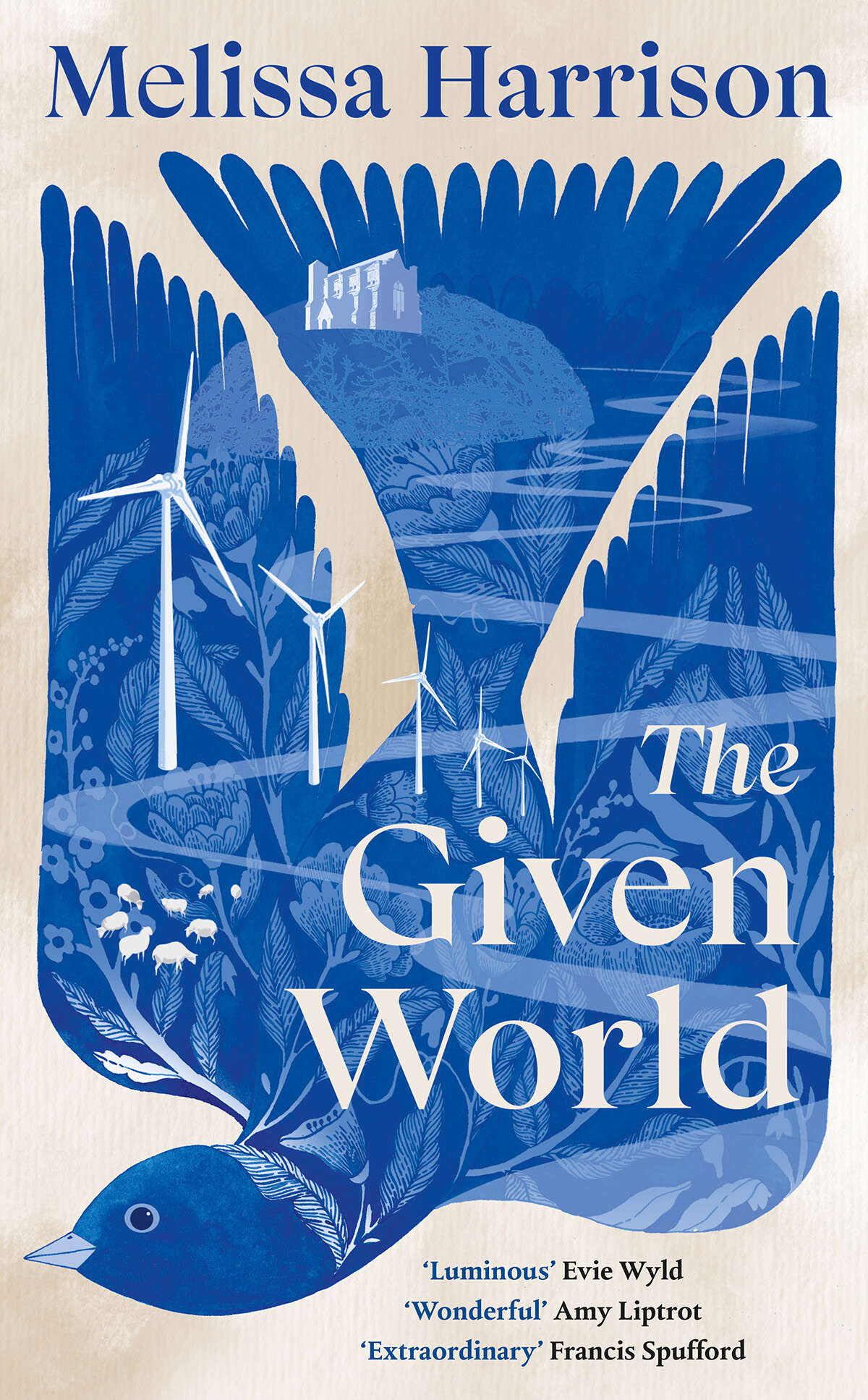
From the very first pages of The Given World, we find ourselves deep amongst the greenery, where a great force of life is described with the accuracy of a naturalist and the lyricism of a poet. “It is a place of wide, flat meadows, in summer sunlit and golden and now, in autumn, tangled and wet.”
Melissa Harrison is an accomplished writer. From her long-standing column in The Times to non-fiction, children’s fiction and now four novels, her work is inspired by the natural world and our relationship to it. Her previous novel All Among the Barley explores agriculture and rural tradition in the 1930s, unpicking the idealised, romanticised version of life in the countryside.
Developing that theme, The Given World opens with a quote by artist and writer Christopher Neve, painter of ‘unquiet’ landscapes: “The notion of country lends itself easily to sentimentality. In fact, it is never to be trifled with.”
The reader is immersed into a sense of place, not simply a geographical location, but a lived-in habitat. That place is the fictional village of Lower Eodham, like many villages in England, where class and politics, money and poverty collide. Farming once provided the rhythm of life for all inhabitants, until the link to the land loosened for most.
The story follows twelve human characters (although dogs and wildlife also feature), who all live in the village. Each chapter focuses on a different individual, yet their lives weave together, with threads stretching back over many years. Among them we meet two very different farmers, two sisters and a death doula. We encounter secrets, feuds over land, estrangement, death and reconnection.
The depiction of the characters is at once detached, told by the all-seeing narrator, whose gaze sweeps over the valley, mirroring how “an old stone priory watches over the little village below it, and can no longer atone for its sins.” Yet this authorial gaze, while not atoning, is tender. The villagers all have their flaws, each sees the world through very different eyes, and yet we empathise with them and care about their fates.
Other living creatures are given the same treatment as the human characters, whether that be a newly arrived chiffchaff, or the badgers that we encounter throughout the book. Even the alders’ twigs “shiver in pleasure as their riverine roots sip the wet earth”. This brings a sense of the wild force of life, showing how people and the natural world are entwined, somehow equal, and all reliant on the environment, whether we usually acknowledge it or not. I found this depth of care for Nature, so unusual in fiction, and deeply moving, echoing my own feelings of connection to our environment.
Beneath the pastoral scene there is a dark, uneasy sense of change. The seasons are altering and different species struggle and vanish. These are all things that are happening today in our countryside, but condensed as they are here over a period of six months, the shadow of climate crisis feels unescapably apocalyptic.
The tranquil River Welm becomes sinister, bursting its banks, and “the current roils and twists, looks almost muscular: a flank, a rope of hair, a pewter breast.” Such visual, living imagery makes for a powerful and intense read.
If that sounds depressing, the huge success of the book is the way the beautiful prose combines with such gripping, believable characters that the story romps along with cheerful persistence. I consumed this book hungrily for the plot, and then went back and reread some of the gorgeous descriptions of Nature. The writing about swallows brought tears to my eyes.
There remains a timeless quality to this village. A sense that despite change and death, there is something enduring and indeed hopeful for those who are part of its natural rhythms. A final rough yet natural justice prevails.
The Given World by Melissa Harrison. Penguin Random House, 2026. ISBN: 9781529154894