Donate


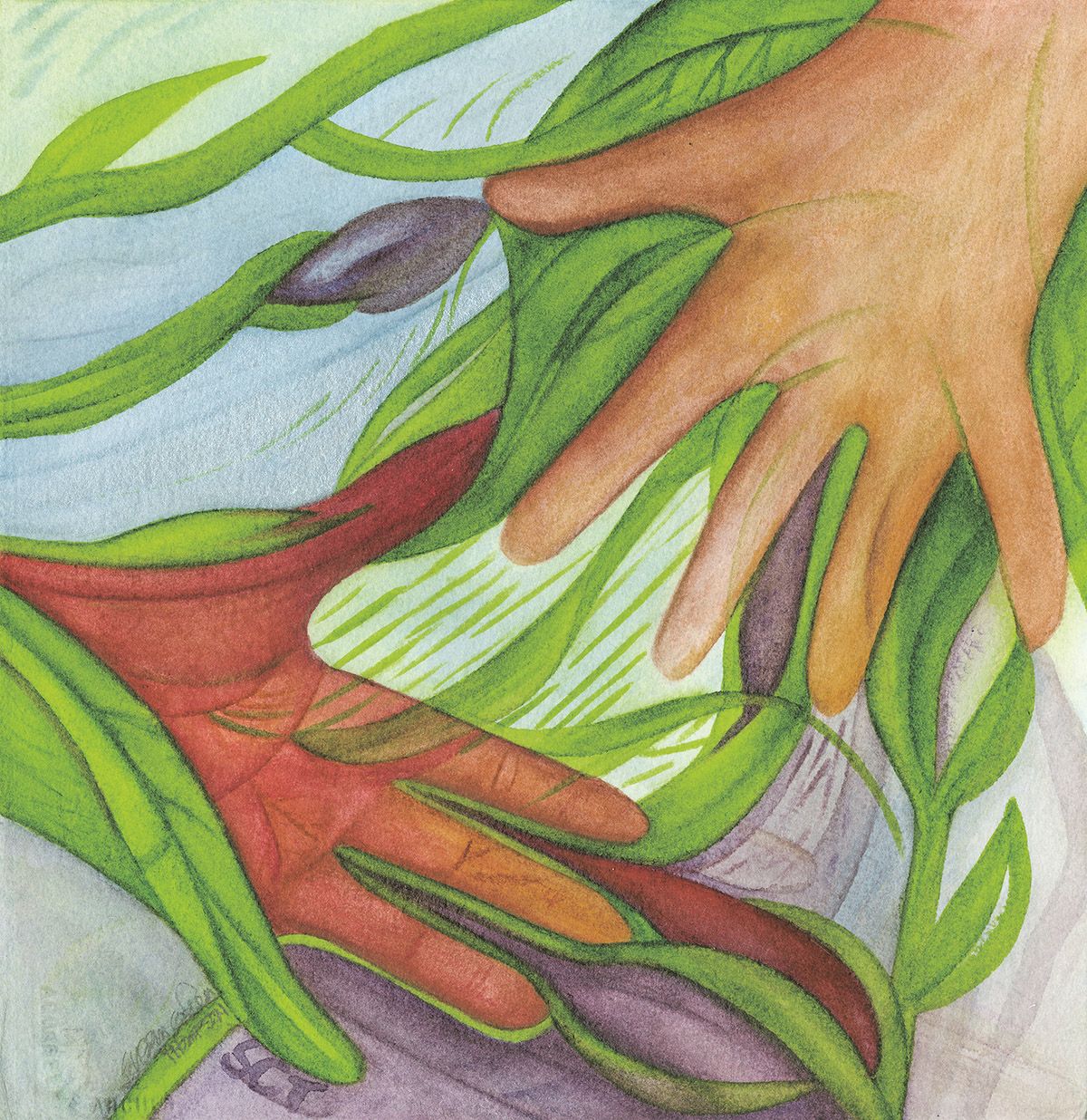
The ‘seven deadly sins of modernity in relation to Nature and conservation’ present a profound critique of the dominant modern worldview and its destructive consequences for the planet. Drawing from Indigenous wisdom, spiritual ecology and deep ecology, this presentation of the ‘sins’ exposes the flawed assumptions of modernity that have led to ecological crisis in our time.
Those seven sins are: 1. Separation of humans from Nature; 2. Human supremacy over Nature; 3. Denial of spirits in all beings; 4. Denying that human rights begin with Nature’s rights; 5. Conservation as a ‘humanitarian’ act, not a sacred duty; 6. Faith in science and technology as salvation; 7. Environmental laws that erase ‘spirit-hotspots’.
The first sin, separation, is perhaps the root of all other sins. In modernity humans are often seen as above the natural world, leading to the exploitation and destruction of natural resources without consideration for the interconnectedness of all living beings. Indigenous teachings remind us that we are an integral part of Nature and that our wellbeing is intimately linked to the health of the planet. We are interrelated, interconnected and interdependent. Therefore whatever we do to Nature will affect us.
The second sin, supremacy, is closely related to the first. The belief that humans are superior to all other beings has led to the belief that we have the right to dominate and exploit Nature for our own economic benefit, that there is no limit to how much humans can use and exploit Nature. They consider that cutting down forests, turning mountains into valleys in mining operations, fencing animals into factory farms and wiping out Indigenous peoples are simply the consequences of modernisation. It is imperative that we shift our perspective to one of humility and respect for all life forms on Earth.
The third sin, denial of spirit, reflects a materialistic worldview that denies the spiritual essence of the natural world. Indigenous cultures recognise the presence of spirit in all beings. Spirits speak, sing, respond to stimuli and even cry when human beings ignore this very basic existential knowledge. The most disturbing view that modernity has shown so far is the neglect of spiritual values, disregarding the fact that there are spirits behind biodiversity, there are spirits that cause those diverse life forms to evolve, exist and be recycled.
It is time now to return to this truth of spiritual existence. When we acknowledge and honour this sacredness of all life, we are more likely to act in a way that is in harmony with the Earth.
The fourth sin, about Nature’s rights, highlights the importance of recognising the intrinsic value of the natural world. If we do not respect and protect the rights of spirit and Nature, which came into being long before humans, then we are ultimately compromising our own wellbeing.
The conservation movement must prioritise the health of the spirits, ecosystems and species over short-term economic gain. Morally speaking, whatever we humans do to other living beings affects human beings. Likewise, considering Indigenous peoples as part of the problem in conservation work and excluding them from conservation efforts has been a serious mistake.
The fifth sin, viewing conservation as a humanitarian act, reveals a lack of reverence for the Earth and a shallow understanding of our interconnectedness with all life. Conservation is not just about saving cute and cuddly animals for our own enjoyment, or protecting specific species on Earth because of our passion.
It is about honouring the diversity and beauty of the natural world and ensuring its survival for future generations. It is about our responsibility as humans who have caused so much destruction on Earth. It is about acknowledging, with reverence, the reality that we are not here alone, we are not here because of ourselves; other beings were here before us, they are our origin, our nurturers, our teachers, our protectors, our sustainers, and finally our home to which we return after this life.
The sixth sin, faith in science as salvation, highlights our society’s reliance on technological solutions to environmental problems. Science and technology can play a crucial role in conservation efforts, but they are no panacea. We must cultivate a deeper spiritual connection to the Earth and adopt sustainable practices that prioritise all living beings.
Most of the environmental destruction has come about since scientific and technological revolutions began less than 300 years ago, and therefore the Indigenous approach of spirit-led conservation should become our complementary paradigm.
The seventh sin, erasing spirit-hotspots, calls attention to the ways in which legal frameworks often fail to account for the spiritual significance of sacred sites and landscapes, as well as sacred names and stories. Spirit-hotspots generate biospheres or biofields that keep life evolving, nurtured and recycled.
Indigenous conservationists will argue that spirit-hotspots are responsible for biodiversity and cultural diversity. When we prioritise economic development over the protection of sacred spaces, we are erasing the spiritual heritage of Indigenous peoples and undermining the wellbeing of the Earth.
These seven deadly sins serve as a powerful reminder of the need to re-evaluate our relationship with the natural world. By acknowledging the flaws in our modern worldview and adopting a more holistic and spiritually grounded perspective, we can work towards creating a more sustainable, regenerative and harmonious future for all beings on Earth.
Scientific development and technological innovation may offer some superficial sustainable development practices, or green economies, appropriate technologies and conservation-related mobile applications as part of the conservation effort. However, excluding the spiritual aspect of conservation is a serious omission that requires reconciliation between the two frameworks: modern and Indigenous.