Donate


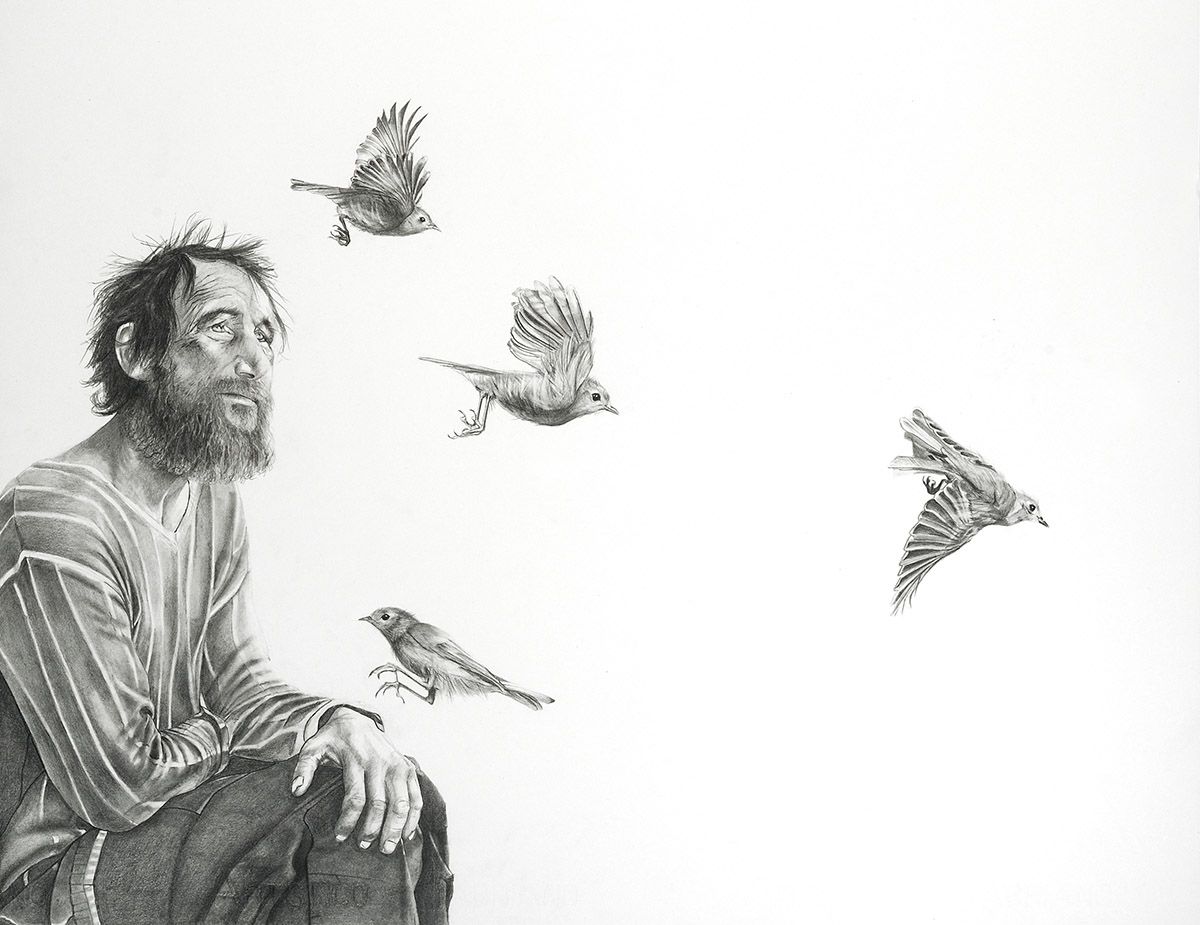
Jay Griffiths’ new book is dedicated to her cat. Whilst this could initially appear somewhat eccentric, by the book’s conclusion it is anything but. The stories and studies Griffiths draws on snowball so completely that come the end it is abundantly clear that not only do animals heal us, but without them we would be lost entirely.
The book is divided into four loose sections. The first explores how animals heal the psyche: the joy they give in their curiosity and playfulness; the comfort they offer in times of need. There are cats and horses working in hospices, salving the loneliness of the individual’s passage towards death. The next part looks at how animals heal the body: dogs who sniff out cancer, or who warn their humans of impending epileptic fits; the whale who saved a marine biologist from a shark by propelling her back to her boat – and who returned to visit her when she came back the following year.
I’m not sure I’ve ever read a book that made me stop more frequently and turn to whoever is in the room to say, “Did you know...?” Did you know that dolphins experiment with a psychoactive produced by pufferfish, passing the fish around between them? Did you know that the ancient Greeks used sacred snakes as medicine, sliding them over the patient’s body as they slept? (Snakes remain the symbol of dozens of medical organisations to this day.) Did you know that baby jumping spiders dream?
From here the book’s scope widens, examining how animals have shaped both the body and the soul politic, a key source of our ethics and our sense of the sacred. “The human species emerged enacting, dreaming and thinking animals and cannot be fully itself without them,” wrote the ecologist Paul Shepard. Just because we have severed much of our connection with the animal world, it does not mean it did not shape us. In one fascinating section, Griffiths explores the idea that part of our ethics derived from wolves, suggesting that early humans learned about friendship – a key quality for survival – by watching a wolf pack’s structures. Forget our domestication of the wolf: let us think about how the human race was ‘lupified’.
As always, Griffiths’ style is both effusive and persuasive. She takes great and infectious joy in the animals’ tales she recounts. I was left with the sense that animals have been trying desperately to communicate with us for ages. We’ve been so lost in our anthropocentric view that we’ve totally, and rudely, ignored them. Not since reading David Abram’s The Spell of the Sensuous has a book so immediately affected my perception. To walk outside after putting it down is to wander into an animate world.
Later sections touch similar ground to Wild, the book for which Griffiths is best known, as she explores the role that shamans have in making a bridge to the animal world. Animals, Griffiths suggests, are more than willing to step across that divide, and it is incumbent on us to meet them there. In the end, the book argues as much for the inverse: not only are animals able to heal us, but we are so separated from them that we no longer have any idea that we are ill. We should hear Nature’s “eloquent silence” – the emptying skies and barren seas – as testimony to our sickness. It is a long way to get back to where we began, but this book does a beautiful and vital job in helping us set out along that journey.
How Animals Heal Us by Jay Griffiths. Hamish Hamilton, 2025. ISBN: 9780241614358