Donate


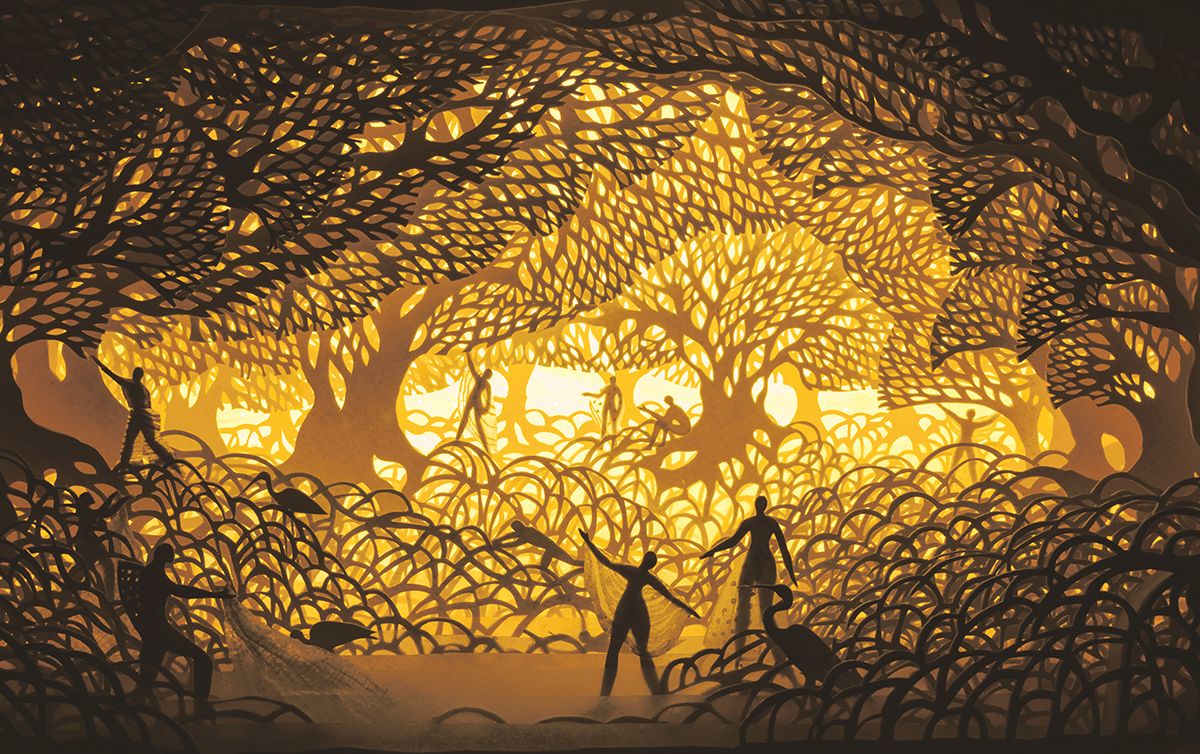
The story of separation runs through our culture: that humans stand outside and above this thing we call Nature. Nature as object, as noun – distinct from us: something to be used in our service.
Once we begin to see this story at work, it becomes clear how it might sit at the root of many of the issues we face today: the climate crisis, biodiversity loss and mass extinction, our broken food system, our health crisis, our grossly unequal, consumption-driven society, and even burnout and worsening mental health.
Although I had felt this separation spiritually and in my body much earlier, I first became consciously aware of it – and of the language and cues that reinforce it – around five years ago. Something shifted for me after listening to a talk by Rebecca Hosking, a regenerative farmer based in Devon, at the Oxford Real Farming Conference. She spoke about how language frames our thinking and shapes our behaviour. How we use a language of mastery and dominance – words such as ‘nature’, ‘weeds’ and ‘pests’ – and how this reflects a broken, destructive and even abusive relationship with the rest of life on Earth.
For me as a gardener already questioning the capitalistic pressures of my role, and carrying a nagging sense of disconnection, this all made sense. At the time, our understanding of the way the world works seemed to be unravelling – it was during Covid and lockdown, and among numerous conversations about systemic racism and oppression. Since then, that unravelling has only intensified. Recognising this framing helped me to make sense of where we are, face into the grief of it, and begin exploring different ways of being.
It has been a pleasure, then, to read the articles in the themed section of this issue from four writers and thinkers responding to the invitation to move away from the term Nature and towards a more relational understanding of our shared life on Earth. Whether you are new to this contemplation or already deep in the remembering of our place within Earth’s ecosystems, there is nourishment in the generosity of the words and ideas shared.
We all live inside stories, as Sarah Woods explores in the first piece. She questions the dominance of the hero’s journey in our culture and asks whether it truly serves us in the face of systemic crises, inviting us to create space for new kinds of stories to emerge.
In ‘When Earth speaks back’, Sophie Pavelle explores themes of animacy and asks what might happen if empathy, attention and listening were allowed to guide us.
Rachel Fleming shares a lived encounter with land and encourages us to build relationship so that we might let the land lead – and perhaps hear it speak through us.
Finally, Sophie Strand speaks with editor Dave Reeve, weaving many of these threads together and offering insight into how she practises and embodies her commitment to coming into loving relationship with Earth.