Donate


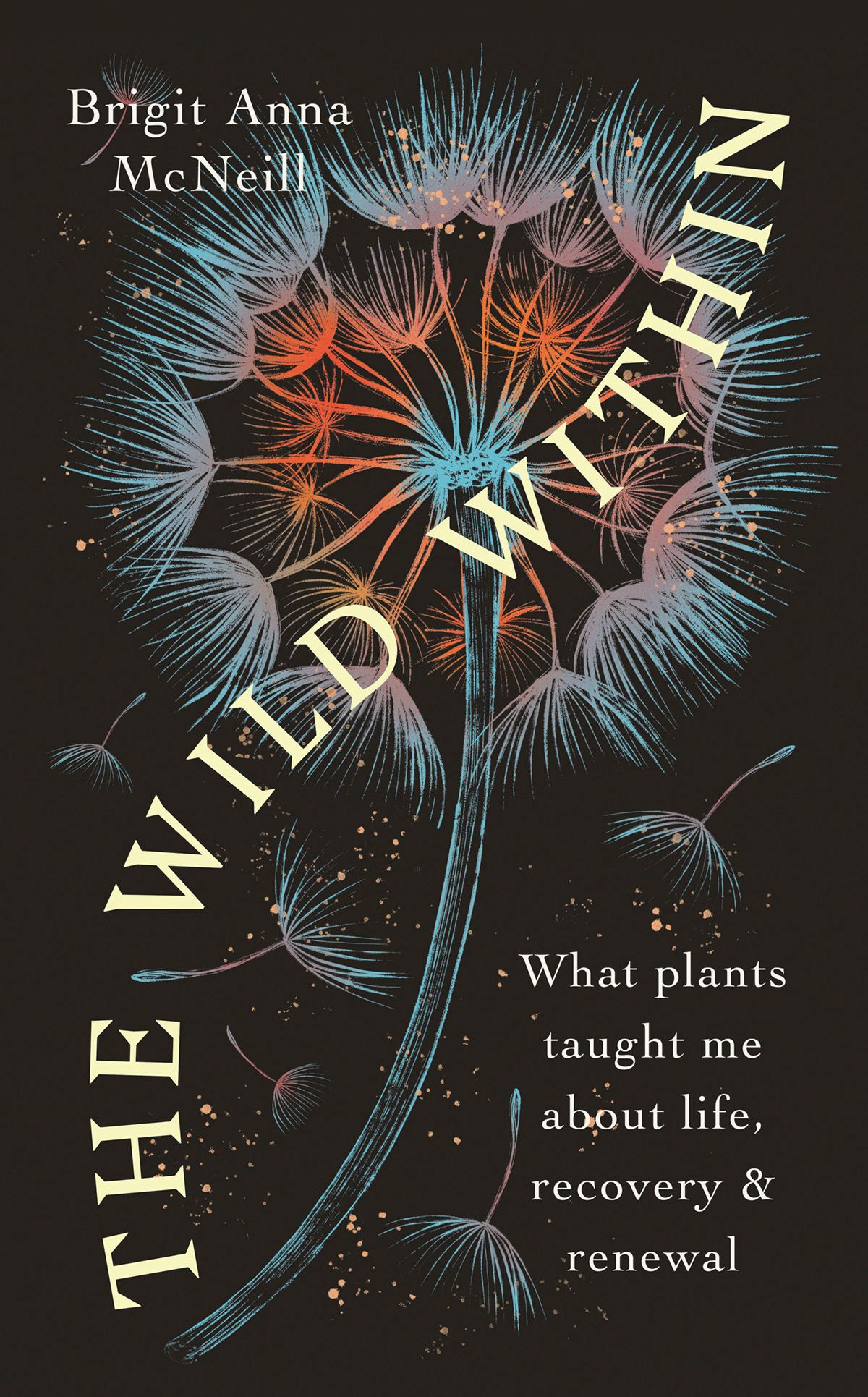
The old year was becoming the new as I began Brigit McNeill’s The Wild Within. Outside, grey January skies held the land on pause. Inside, a mug of builder’s tea warmed my lap – but I, too, felt suspended. I was looking forward to 2026, yet unsure how to renew myself to meet it. What connections did I want to deepen? How should I do that? And where?
Thankfully the Resurgence & Ecologist editors had placed in my hands a soul-fortifying set of answers. McNeill’s book is one of the most addictive introductions to herbology I can imagine (though, as it is also my first, I will happily eat my words on this).
In spell-crafting prose, McNeill guides us through the properties and peculiarities of various plants – including, among many others, yarrow, rosemary and yew – and the book is structured seasonally, to loosely accompany you through the turning year.
Her mission, she explains, is to rewild the stories of both plants and ourselves. To release nettle from its role as “nuisance”. To restore our forgotten intimacy with elder. And, in doing so, to reconnect us to our sense of wonder – which, it turns out, is also a powerful way to peer closer into the self.
“Perhaps the real sting of Nettle was never in their leaves at all, but in the story we’ve been given about them – weed, a nuisance, something to be avoided, pulled up and paved over,” she writes. “Something that hurts if you get too close.”
And she asks, “How many of us have been given that same story about ourselves?”
The protagonist that binds these strands together is McNeill herself. In each chapter she also reveals a little more about her own journey of struggle, recovery and growth, taking us from childhood memories of her grandmothers’ gardens all the way to the dark nights of London in her twenties.
She recounts how at one point she almost lost herself entirely to a “false wild”. To a tormented life of self-starvation, excessive drinking, and sex with strangers. Pursuits that promised release but delivered only existential exhaustion: “I confused collapse with freedom.”
Eventually, however, McNeill found a different kind of transformation. Reawakened by the study of plants, she was able to reach deep into her internal soil and pull forward a newly “rewilded” or “composted” self. This isn’t about replacing or rejecting what was there before, she explains, but about reconnecting.
Intimate memories like these are delivered with a striking openness. Yet while some autobiographical writing can seem primarily healing for the writer, McNeill’s revelations never feel like gratuitous over-share. Instead, she somehow manages to keep the reader’s experience at the forefront. Each painful memory revisited – like a herb brewed in a cup – seems intended to transform the person who drinks.
It is a process she likens to a dandelion’s ability to push up from between concrete cracks, bringing sunshine to bleak places. And whatever your own personal struggle, the following eight words alone feel like a map to firmer ground: “Wildness is not fevered consumption but sacred reciprocity.”
And just as McNeill shares how plants have enriched her story, so she also enlightens us with more of theirs. We learn, for example, of dandelion’s astonishing paradox. The fact that it can self-pollinate means it relies on no insect or animal to procreate, and yet it is one of the brightest, most nourishing flowers to grace the early spring – thus providing others with essential food.
Such wonders made me want to set off down multiple rabbit holes of enquiry. Meanwhile, the book as a whole has seen my store cupboard replenished with a new selection of earth-smelling herbs. More broadly, too, it has reminded me to remain alert to the enchantment that exists inside all that grows, whatever season of our lives we’re in.
“We are all nurse trees in waiting,” McNeill writes, and every ending is an offering to new life.
The Wild Within: What Plants Taught Me about Life, Recovery and Renewal by Brigit Anna McNeill. September Publishing, 2026. ISBN: 9781914613258