Donate


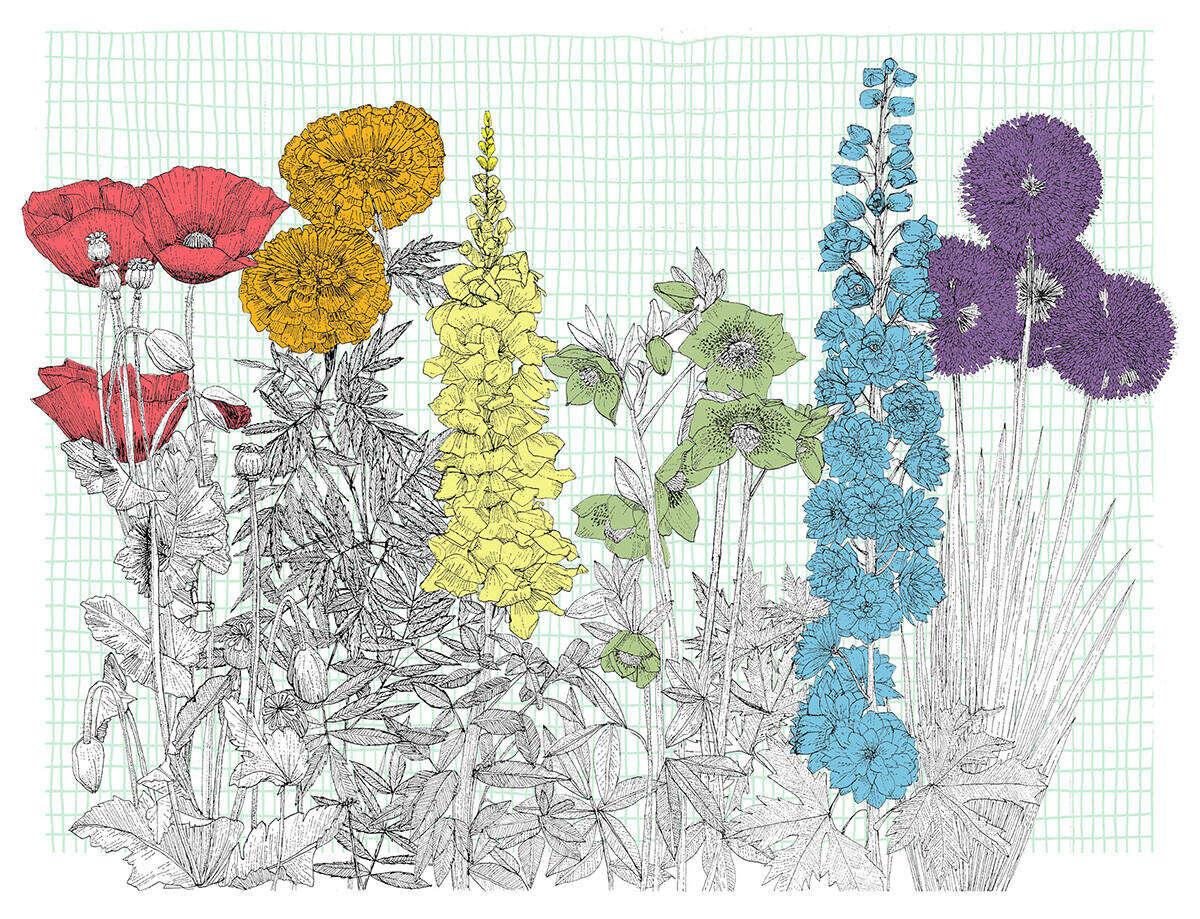
It’s rare to be woken by the sound of 12 huge bumble bees guzzling poppy pollen. It’s rarer still when it happens in a built-up residential area of Croydon, a borough of South London in the UK often known for large swathes of high-rise concrete, pockets of deprivation, and a somewhat down-at-heel economy. What is less known is that Croydon is quietly buzzing with grassroots activity as people come together – especially in areas with limited access to green space – to improve their own lives and the life of their community. These poppies are a direct result of that activity.
Over the last couple of years, Croydon Climate Action has campaigned to eliminate pesticide use in the borough through its Pesticide Free Croydon initiative. The herbicide still used by the Council contains glyphosate, which is toxic to insects, worms, birds and aquatic life when it runs off pavements into waterways. It can linger in soil for months, disrupting natural processes such as nitrogen fixation and water retention. Cats and dogs walking on sprayed pavements may pick up herbicide on their paws. When streets are sprayed, vegetation dies almost immediately, the dead plants attract litter, and the streets become increasingly bleak.
Why do councils continue to use herbicides with such well-known impacts? Cost. Financial pressures on local authorities are growing, and herbicide spraying remains a quick and inexpensive way to manage street vegetation.
Learning from nearby boroughs, Croydon Climate Action launched the Green Streets campaign to reduce herbicide use by taking streets or stretches of housing off the spray list. The more streets and communities are involved, the less spray – and sprayers’ time – is required, saving the council money. Communities are brought together, biodiversity is increased, and streets become healthier and more attractive places to live.
While creating a Green Street can come up against opposition, it’s important to remember that everyone is a potential ally. Some residents expect the council to do the work, while others worry that streets will become messy wildernesses. Yet it only takes a few committed people to make a huge difference. Our Green Street this year has literally hummed with insect life. Volunteers have enjoyed working together, getting to know neighbours and attracting curious passers-by intrigued by flaming red poppies or lush tree pits glowing with golden-yellow helianthus and lilac phacelia in an ordinary urban street.
And the future? We hope roads across Croydon will increasingly choose green streets over bleak streets. Through conversations with community groups and sharing knowledge, the idea is spreading – and could inspire similar initiatives far beyond the borough.
GETTING GOING
• Check your local spray policy. Identify a key person in your local authority to liaise with. Share your plans with them and ask to be removed from the spray list if one exists. We received an initial positive response from Croydon Council, with formal acknowledgement following later.
• Find a couple of neighbours who share your vision and are willing to support you. Keeping things simple helps maintain focus.
• Make contact with others in your road or block. We hand-delivered letters to everyone, explaining our plans, asking whether they were happy not to spray outside their homes, and inviting them to get involved. Others often join once they see the difference being made.
• Organise shared working sessions to plant, prune, weed, deadhead, collect seed, litter-pick and sweep. Refreshments nearly always help, especially when homemade cake is involved.
FIRST SUMMER PLANTING
Things to grow:
• Instant-impact bedding plants: research locally – in the UK verbena, petunia, lobelia and marigolds work well.
• Pollinator-attracting wild-flower seeds: a UK list might include poppies, borage, shepherd’s purse, scabious, love-in-a-mist, evening primrose, cornflowers, oxeye daisies and chamomile.
• Soil-improving wild flowers: in the UK try red clover and phacelia.
• Summer- and autumn-flowering perennials: in the UK try sunflower, iris, geranium, and especially drought-tolerant plants such as lavender, rosemary, sedum and purple toadflax.
Things to avoid:
• Prickly plants (e.g. roses).
• Poisonous plants (e.g. euphorbia, foxgloves).
• Plants that could create trip hazards (e.g. vinca, ivy) or are likely to grow too large, trap litter or conceal broken glass.
• Hard borders around tree pits (e.g. bricks or wood), which could create trip hazards or obstructions.
QUICK WINS & LONG-TERM GAINS
• Colourful plants kept litter-free have quick impact and show you mean business. People not yet involved may still appreciate what you are doing, and this helps start conversations.
• As well as reducing the negative impact of glyphosate on biodiversity, greener streets improve human wellbeing. Royal Horticultural Society research shows that living on a road with healthy plant life can improve mental health and reduce stress.
• Getting to know others through shared activity and purpose brings mental and emotional benefits, strengthening community cohesion and fostering a sense of belonging – even happiness.
• Collecting seeds ensures a growing variety of plants and creates a surplus to support neighbouring streets, extending urban pollinator corridors.