Donate


There is a paradox running through much of the most serious thinking about the crises of our time: that the work that most urgently needs doing is also the work least likely to appear on any agenda or in any policy. Inner change runs through the pages and history of Resurgence & Ecologist, and in recent issues has manifested most directly through Katie Hodgetts’ Slow Read on intersectionality (“This holistic approach to changemaking integrates inner development with collective justice, recognising that lasting change requires both inner transformation and systemic disruption,” Issue 355) and a feature on Indian philosopher and statesman Karan Singh (“When you build body, mind, emotion and spirit, only then can you contribute to building a new world,” Issue 356).
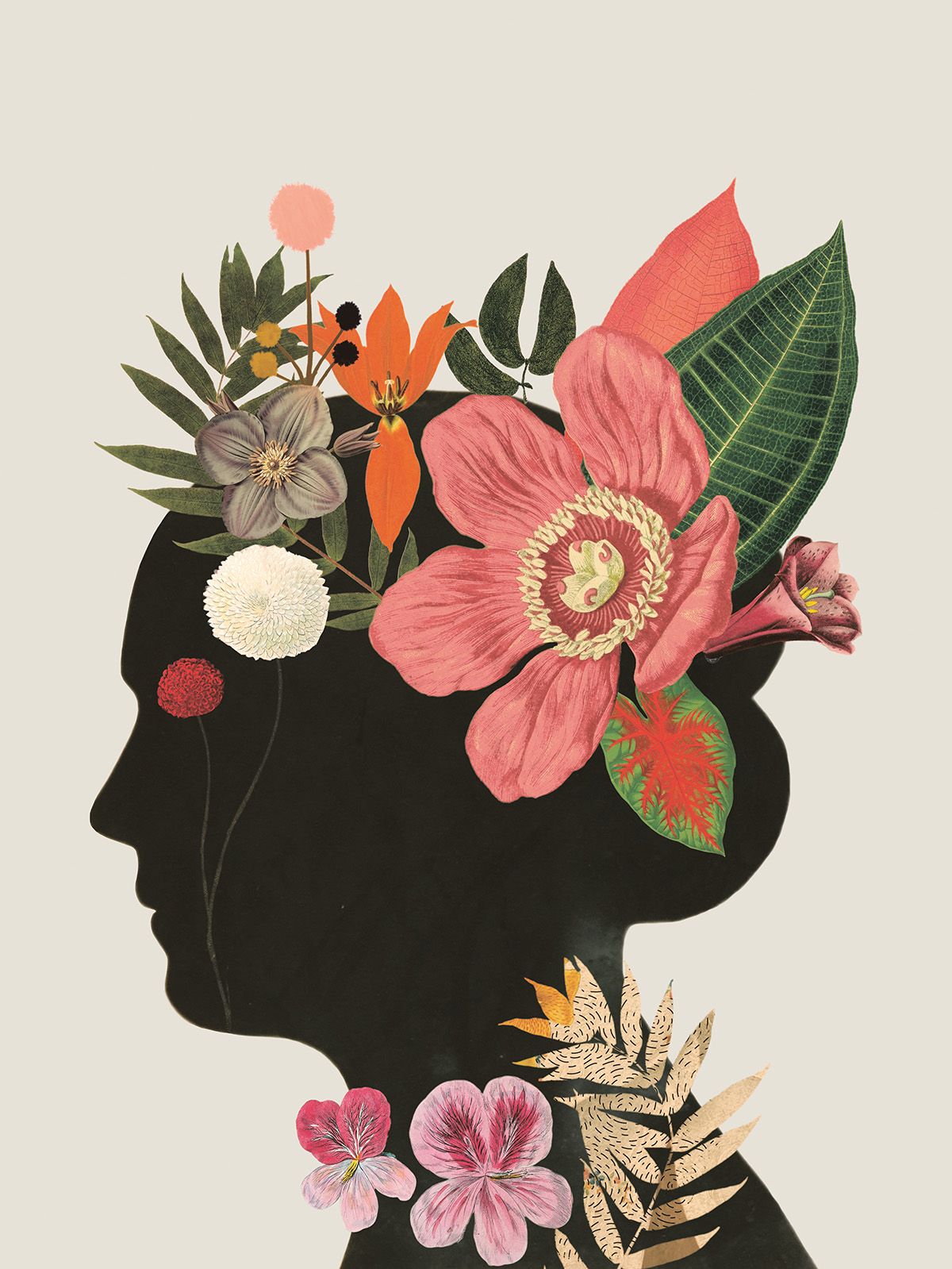
So for this issue the theme I wanted to consider was the inner work of liberation and what we mean by inner, what comes from within, and where that ‘within’ is. After all, we are porous beings, tethered to one another, to the systems that contain us, and to the Earth that we should be in service to.
Lyla June considers the intention we bring to every act – arguing that this inner work is not a retreat from politics, but the foundation for disciplined, loving, alliance-building organising. Helena Norberg-Hodge locates us in community, arguing that technology amplifies the values of the economic system it emerges from, and that a system built on extraction will produce extractive tools. The inner work she points to is collective: the restoration of face-to-face, intergenerational, place-rooted ways of being that the global system has steadily dismantled. Nani Jansen Reventlow places us inside the systems themselves – insisting that climate justice, reparations, digital rights and racial equality are all threads in the same tapestry. Liberation then is perhaps not a destination, but a practice.
Following these is The Slow Read, where an extract from Selah by Báyò Akómoláfé acts as a necessary friction – questioning whether even our inner work can become a form of what he calls “oughtism”: a rush towards familiar and tidy solutions. Our designer has created an artistic interpretation for each vignette, and I invite you to pause and reflect on each one, revisit them, and then get the book, to dance with the other selahs.
Elsewhere, Nathaniel Hughes invites us to learn to live with the witch wound and listen to ancient wyrd wisdom, Satish Kumar meets House of Hackney’s Frieda Gormley, and Anna Souter considers the life and work of artist Ana Mendieta.
Lucia Pietroiusti reflects on dropping her phone in the Mediterranean and what the following days revealed about nostalgia, home and the genuine complexity of our longing to unplug. Among the callings to garden our inner landscapes, to sit with our wounds, and to tend the cracks from which new ways of being might emerge, there is also, quite simply, a phone in a bowl of rice – and the unexpected freedom that followed.